
How Black Ops 7 Redefines Accessibility for the Next Generation of Call of Duty
Call of Duty has spent years refining how players interact with the franchise, but Black Ops 7 marks one of the most meaningful leaps yet in accessibility. Building on last year’s foundation, Treyarch and the broader Call of Duty team are doubling down on features designed to make gameplay smoother, more comfortable, and far more customizable for players of all abilities. The result is a release that not only sharpens the feel of the game but also significantly broadens who can enjoy it.
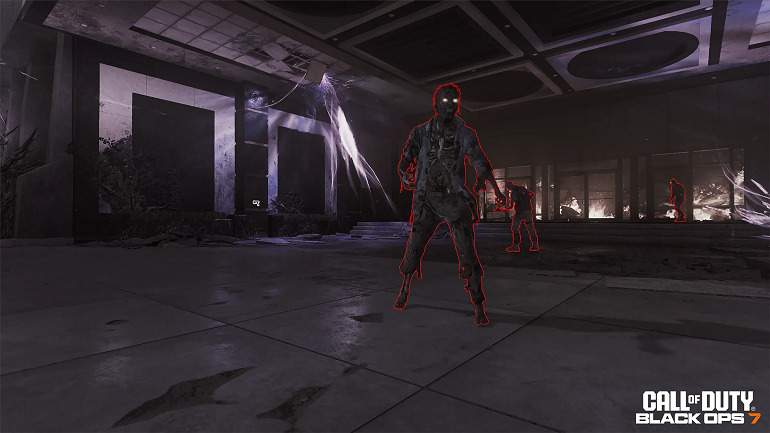
At the center of this year’s major update is a completely new offering: Advanced Motion Control, a forward-thinking set of tools created to reduce motion-related discomfort—an issue faced by an estimated one-third of all players. While motion sickness is usually linked to real-world travel, its presence in gaming is widely documented, especially in fast-paced shooters where rapid camera swings, chaotic enemy encounters, and dense HUDs can overwhelm the senses.
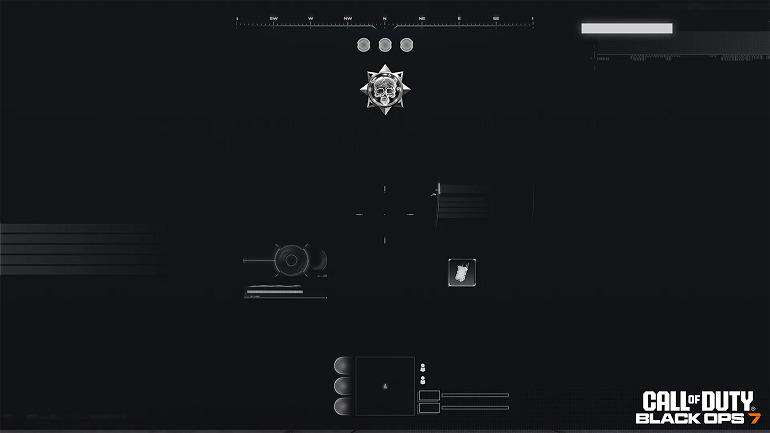
Black Ops 7 tackles this head-on with a suite of optional HUD-based visual anchors. These include a Horizontal Line, Dot Grid, Border, and Vignetting options that players can mix and match. Each anchor can be resized, recolored, or adjusted for thickness and opacity. The purpose? To give the eye a stable focal point, reducing the sense of disorientation without altering gameplay. For players who enjoy Call of Duty’s fast-paced action but often feel visually overwhelmed, this feature can significantly help them play for longer stretches.
Importantly, the new feature is entirely optional. Black Ops 7 maintains its trademark fluidity, intensity, and cinematic pacing—only now, players who need additional motion support can tailor the game to fit their bodies and brains. It’s a thoughtful recognition that accessibility doesn’t need to change a game’s identity. Instead, it empowers more players to enjoy that identity on their own terms.
This philosophy extends to the many accessibility features brought back from Black Ops 6, now refined and more consistently supported across all modes—including expanded integration within the new Co-Op Campaign. High Contrast Mode once again improves clarity between on-screen elements, especially valuable in chaotic firefights, and now works seamlessly in co-op. Intelligent Movement Customization also returns, giving players more flexibility in how they jump, sprint, and mantle, with new parameters for the Wall Jump mechanic.
Players who benefit from simplified controls can lean once more on the Low Motor Strain Preset. Meanwhile, a refined library of visual settings—such as text size, color filters, inverted flash, and improved HUD customization—helps players structure the screen in a way that matches their comfort level. Fan-favorite features like Crosshair Customization and Arachnophobia Mode again demonstrate Treyarch’s commitment to personalization, whether players want a clearer reticle or a less spider-like enemy design.
Audio accessibility also sees a meaningful boost. The Reduce Tinnitus Sound option filters out piercing, high-frequency audio spikes, while Asymmetrical Hearing Compensation assists players with differences between left-ear and right-ear hearing. Enhanced Headphone Mode continues to fine-tune directional clarity, allowing players—especially competitive ones—to rely more confidently on sound cues.
All of these features reinforce a clear philosophy: accessibility is not an afterthought. It is a core pillar of modern game design, especially in a global franchise with a vast and diverse audience. This commitment also aligns with broader industry trends, where digital storefronts and services like Xbox Game Pass Card distribution have shortened the barrier to entry for new players. As more people jump into Call of Duty across platforms, ensuring that everyone can find a comfortable gameplay setup becomes essential.
Black Ops 7’s improvements also reflect how community feedback continues to influence development. Players have been vocal about what works, what doesn’t, and what would make the game more enjoyable. Treyarch has taken that seriously, evolving existing systems and bringing forward features that players depend on. The addition of Advanced Motion Control isn’t just a technical upgrade—it’s a direct response to real needs voiced by the community.
As we approach launch, it’s clear that the developers intend to keep iterating. More accessibility updates will be revealed in the months ahead, including refinements expected to roll out closer to release. For players picking up the game digitally—or activating through a Cheap Xbox Live Key—Black Ops 7 promises not only a signature campaign and adrenaline-pumping multiplayer but a deeply refined experience that prioritizes comfort as much as intensity.
Call of Duty has always been at the forefront of blockbuster shooter design. With Black Ops 7, it’s leading on accessibility as well—offering more ways than ever for fans to play their way, confidently and comfortably.

%22%20fill%3D%22url(%23linearGradient-1)%22%20fill-rule%3D%22nonzero%22%3E%3Cg%20id%3D%224%22%20transform%3D%22translate(50.000000%2C%201871.000000)%22%3E%3Cpath%20d%3D%22M714.442949%2C40.6265241%20C715.185684%2C41.4224314%20715.185684%2C42.6860985%20714.442949%2C43.4820059%20L697.746773%2C61.3734759%20C697.314529%2C61.8366655%20696.704235%2C62.0580167%20696.097259%2C61.9870953%20C695.539848%2C62.0082805%20694.995328%2C61.7852625%20694.600813%2C61.3625035%20L685.557051%2C51.6712906%20C684.814316%2C50.8753832%20684.814316%2C49.6117161%20685.557051%2C48.8158087%20C686.336607%2C47.9804433%20687.631056%2C47.9804433%20688.410591%2C48.8157854%20L696.178719%2C57.1395081%20L711.589388%2C40.6265241%20C712.368944%2C39.7911586%20713.663393%2C39.7911586%20714.442949%2C40.6265241%20Z%22%20id%3D%22check%22%3E%3C%2Fpath%3E%3C%2Fg%3E%3C%2Fg%3E%3C%2Fg%3E%3C%2Fsvg%3E)